
iribitari+gal+ni+manko+tsukawasete+morau+hanash+fixed iribitari+gal+ni+manko+tsukawasete+morau+hanash+fixed

A massively multiplayer creature-collection adventure.

Watch trailer

Iribitari+gal+ni+manko+tsukawasete+morau+hanash+fixed -

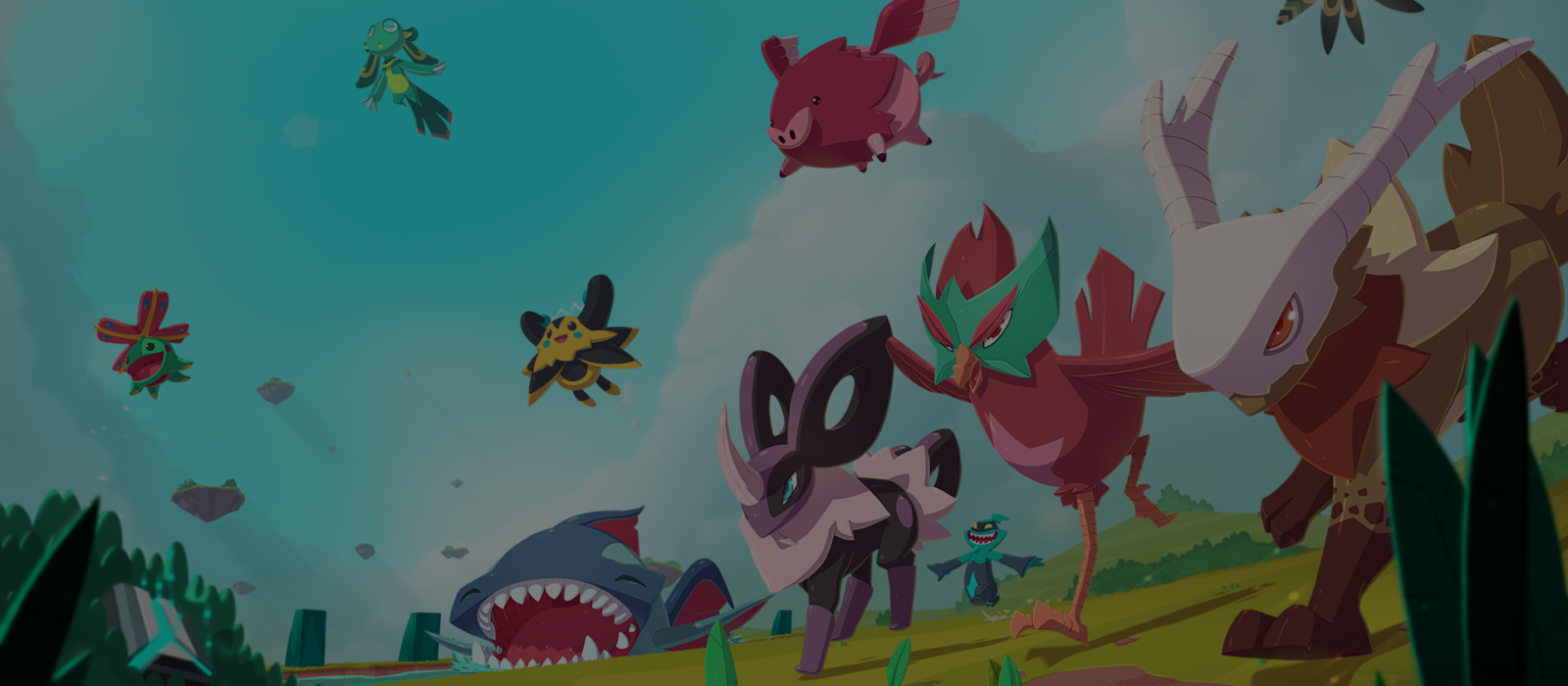
Every kid dreams about becoming a Temtem tamer; exploring the six islands of the Airborne Archipelago, discovering new species, and making good friends along the way. Now it’s your turn to embark on an epic adventure and make those dreams come true.

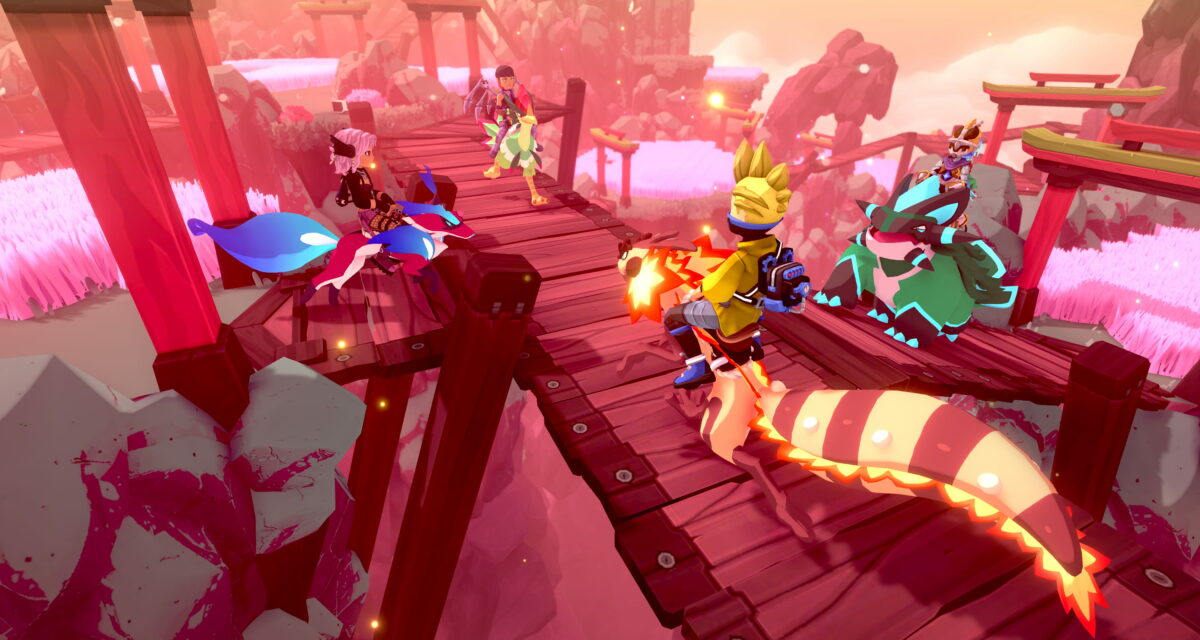
Catch new Temtem on Omninesia’s floating islands, battle other tamers on the sandy beaches of Deniz or trade with your friends in Tucma’s ash-covered fields. Defeat the ever-annoying Clan Belsoto and end its plot to rule over the Archipelago, beat all eight Dojo Leaders, and become the ultimate Temtem tamer!

Features

  • Lengthy story campaign
  • Fully online world
  • Co-Op Adventure
  • Competitively oriented gameplay
  • Advanced character customization
  • Housing
iribitari+gal+ni+manko+tsukawasete+morau+hanash+fixed

Screenshots & Videos

Latest news

Read more about Temtem
Patch 1.8.4

Iribitari+gal+ni+manko+tsukawasete+morau+hanash+fixed -

Iribitari+gal+ni+manko+tsukawasete+morau+hanash+fixed -

Nika: "" (Sono manko, tsukawasete morau no wa taihen da ne) - "That sounds exhausting; I don't think I could keep up with that level of intensity."

Understanding the Concept of "Irite Bari" and Its Applications iribitari+gal+ni+manko+tsukawasete+morau+hanash+fixed

In Japanese, the term "" (Irite Bari) or "" (Iribiri) can be roughly translated to "painful" or "irritating." When combined with other words, it can take on different meanings. For instance, in the context of sports, "" (Iribiri + tsukawasete morau) might refer to a player who is extremely competitive and gives their all, often leaving their opponents feeling frustrated or "irited." Nika: "" (Sono manko, tsukawasete morau no wa

Let's consider a conversation between two friends, Taro and Nika: Nika: "" (Sono manko

Taro: "" (Iribiri tsukawasete morau hanashi, hajimaru zo) - "The intense competition is about to begin!"

In this example, Taro is excited about an upcoming event, using "" (Iribiri) to describe the thrilling atmosphere. Nika responds, acknowledging the challenging nature of the competition.

Patch 1.8.3

Iribitari+gal+ni+manko+tsukawasete+morau+hanash+fixed -

We’ve adjusted the way Spectator mode and the Skip Animations setting worked: An spectator can’t have Skip Animations ON if…

Read more Patch 1.8.3

Temtem Press Kit

Follow the link to access the complete press kit.

Press Kit
We only use session cookies for technical purposes to enable your browsing and secure access to the functionalities of the website. See more information in the Cookies Policy. We also inform users that our website contains links to third-party websites governed by their own privacy and cookie policies, so you should decide whether to accept, configure or reject them when accessing our website. View more
Cookies settings
Accept

Nika: "" (Sono manko, tsukawasete morau no wa taihen da ne) - "That sounds exhausting; I don't think I could keep up with that level of intensity."

Understanding the Concept of "Irite Bari" and Its Applications

In Japanese, the term "" (Irite Bari) or "" (Iribiri) can be roughly translated to "painful" or "irritating." When combined with other words, it can take on different meanings. For instance, in the context of sports, "" (Iribiri + tsukawasete morau) might refer to a player who is extremely competitive and gives their all, often leaving their opponents feeling frustrated or "irited."

Let's consider a conversation between two friends, Taro and Nika:

Taro: "" (Iribiri tsukawasete morau hanashi, hajimaru zo) - "The intense competition is about to begin!"

In this example, Taro is excited about an upcoming event, using "" (Iribiri) to describe the thrilling atmosphere. Nika responds, acknowledging the challenging nature of the competition.

Cookies settings